

Low-Level Laser Therapy (LLLT): A Gentle, Powerful Approach to Non-Surgical Healing
If you're frustrated by chronic pain, slow-healing wounds, or the harsh side effects of traditional treatments, Low-Level Laser Therapy (LLLT)—also known as photobiomodulation—might be the solution you've been searching for. This innovative "cold laser" therapy is changing the game in non-invasive care, offering a safe, versatile way to support your body's natural healing processes. Backed by research published in the Journal of Lasers in Medical Sciences (2020), LLLT is proving effective across a wide range of conditions, with minimal risks and maximum potential.
What Is LLLT, and How Does It Work?
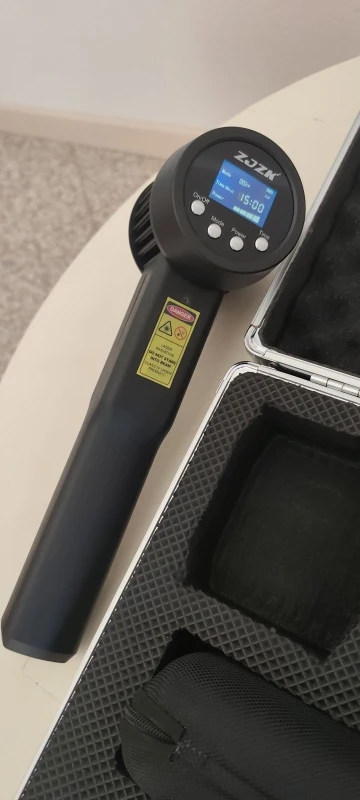
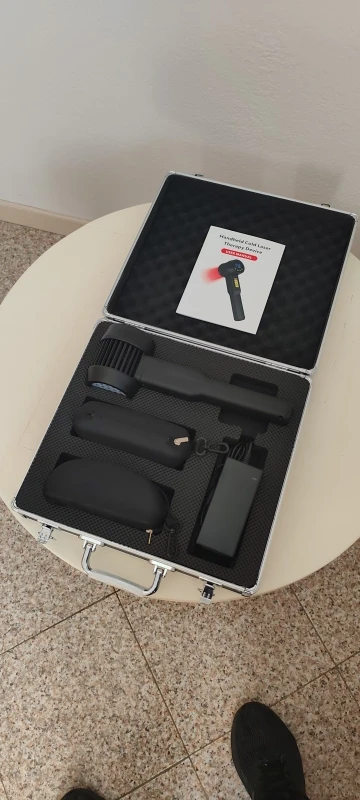
First, let's clear up any confusion: LLLT is not the same as surgical lasers. Classified as a "cold laser" (Class III), it operates at wavelengths between 600–1000 nm and delivers low power (5–500 mW)—enough to penetrate deep into the skin and tissues without burning, cutting, or causing damage. Unlike high-power surgical lasers (Class IV) that use heat to treat tissue, LLLT works by stimulating cellular activity at a molecular level.
The science is straightforward yet powerful: when LLLT's light energy reaches your cells, it targets mitochondria—the "powerhouses" that produce ATP, the energy your cells need to function and repair. This stimulation boosts ATP production, reduces inflammation, enhances blood flow, and encourages cell regeneration. Think of it as a natural "reset" for your body's healing systems, helping to speed up recovery and ease discomfort without relying on medications or invasive procedures.
Which Conditions Can LLLT Help With?
A comprehensive 2020 study identified four key categories of conditions where LLLT shows significant promise, with clinical evidence supporting its use:
1. Nervous System Complications
Neurological disorders and pain can be some of the most difficult to treat, but LLLT offers new hope. For traumatic brain injury (TBI)—a leading cause of morbidity in athletes and accident victims—near-infrared LLLT penetrates the skull to support neuron repair, reduce brain edema, and prevent cell death. It's also effective for trigeminal nerve neuralgia (debilitating facial pain), where it regulates pain-signaling neurotransmitters and boosts endorphin production to ease discomfort. Additionally, LLLT provides a non-pharmacological option for neuropathic pain, including diabetic neuropathy, by reducing inflammation and restoring nerve function.
2. Skin & Mucosal Disorders
From slow-healing wounds to hair loss, LLLT addresses common yet stubborn skin issues. For burns and diabetic foot ulcers—conditions that often resist conventional treatments like antibiotics or skin grafts—LLLT accelerates wound closure by stimulating collagen synthesis, increasing blood flow, and fighting infection. It’s also a game-changer for hair loss: clinical trials show that LLLT (using 600–1000 nm wavelengths) promotes hair follicle growth in cases of androgenetic alopecia (male/female pattern baldness) and chemotherapy-induced hair loss, with minimal side effects. Even chronic conditions like pemphigus vulgaris (a blistering skin disease) and recurrent herpes labialis (cold sores) benefit from LLLT's anti-inflammatory and healing properties, reducing outbreaks and easing discomfort.
3. Cancer-Related Complications
Cancer treatments like chemotherapy and radiation save lives, but they often leave patients with painful side effects. LLLT offers much-needed relief here: it reduces oral mucositis (painful mouth sores), soothes radiation dermatitis (skin redness and ulceration), and eases lymphedema (swelling) in breast and head-neck cancer survivors by promoting lymphatic flow and tissue repair. For dysphagia (difficulty swallowing)—a common post-treatment issue—LLLT reduces inflammation in the throat and esophagus, helping patients eat and speak more comfortably.
4. Bone & Joint Disorders
Whether you're recovering from a fracture, tendon injury, or carpal tunnel syndrome, LLLT speeds up healing and reduces pain. Studies show that LLLT accelerates bone regeneration in wrist and hand fractures, while also enhancing tendon repair by improving collagen organization and reducing scar tissue. For carpal tunnel syndrome, it reduces inflammation around the median nerve, improving mobility and relieving numbness and pain—often as a viable alternative to surgery.
The Key Benefits of LLLT
What sets LLLT apart from traditional treatments? Here's why it's gaining popularity among patients and healthcare providers:
- Non-invasive: No incisions, no anesthesia, and no downtime—you can return to your daily activities right after treatment.
- Minimal side effects: Unlike medications that may cause drowsiness or stomach issues, LLLT has few risks. Mild redness or temporary discomfort is rare, and there's no risk of addiction.
- Cost-effective: Over time, LLLT reduces reliance on expensive medications, repeated doctor's visits, or costly surgeries, making it a budget-friendly long-term option.
- Versatile: One therapy addresses multiple conditions—from pain relief to wound healing to post-cancer care—simplifying treatment plans.
- Natural healing: LLLT works with your body's own processes, not against them, promoting sustainable recovery.
What to Consider Before Trying LLLT
While LLLT is safe and effective for most people, there are a few important points to keep in mind:
- Customization is key: Optimal LLLT parameters (wavelength, energy dose, treatment duration) vary by condition. For example, 660 nm wavelengths work best for early wound healing, while 780 nm is ideal for tissue granulation. Always seek treatment from a trained professional—such as a dermatologist, physical therapist, or pain management specialist—who can tailor the therapy to your needs.
- Not for everyone: LLLT is not recommended for patients with active cancer tumors, photosensitivity, or certain skin conditions. As with any treatment, consult your doctor first to ensure it’s right for you.
- Research is evolving: While the evidence is strong, ongoing studies are refining LLLT protocols to maximize effectiveness. This means the therapy will only get better as we learn more about its applications.
The Future of Gentle, Effective Healing
LLLT is no longer a "fringe" therapy—it's a evidence-backed option that's transforming non-surgical care. As research continues to expand its applications and refine treatment protocols, we're likely to see LLLT become a staple in clinics worldwide, offering hope to patients who've exhausted traditional options. Whether you're recovering from an injury, managing chronic pain, or coping with the side effects of cancer treatment, LLLT provides a gentle, powerful way to heal.
References:Mansouri V, Arjmand B, Rezaei Tavirani M, Razzaghi M, Rostami-Nejad M, Hamdieh M. Evaluation of Efficacy of Low-Level Laser Therapy. J Lasers Med Sci. 2020 Fall;11(4):369-380. doi: 10.34172/jlms.2020.60. Epub 2020 Oct 3. PMID: 33425286; PMCID: PMC7736953.