If you're among the millions struggling with hair loss—whether from genetics, stress, aging, or hormonal changes—you know how disheartening it can be to watch your hair thin, recede, or lose its fullness. For years, options like medications with unwanted side effects or costly hair transplants have been the go-to solutions. But what if there was a non-invasive, safe, and evidence-backed alternative? Enter red light therapy (RLT), a groundbreaking approach to hair regrowth that's been validated by decades of research—including a pivotal 1989 study published in Lasers in Surgery and Medicine.
Red light therapy, also known as low-level laser therapy (LLLT) for hair restoration, uses specific wavelengths of red light (typically 630–670 nm) to target hair follicles directly. Unlike harsh treatments that damage the scalp or cause systemic side effects, RLT works by stimulating the body's natural biological processes—no drugs, no incisions, and no downtime.
The 1989 study, a cornerstone in RLT hair research, explored how low-energy red light affects hair follicle activity. Researchers found that red light penetrates the scalp (without burning or irritation) to reach the dermal papilla—the "engine" of hair growth—where it boosts cellular metabolism and blood flow. This stimulation revives dormant follicles, extends the hair's growth phase (anagen phase), and strengthens existing hair strands, leading to thicker, fuller, and healthier hair over time.
Before the 1989 research, red light's role in hair regrowth was largely uncharted. The study set out to test a simple yet powerful hypothesis: Could low-intensity red light (delivered via a handheld device) stimulate hair growth in individuals with androgenetic alopecia (male and female pattern baldness)—the most common cause of hair loss?
Here's what the researchers discovered:
-
Follicle Revival: Red light increased the number of active hair follicles by triggering mitochondrial activity (the cell's energy source) in the dermal papilla. This woke up "sleeping" follicles that had stopped producing visible hair.
-
Growth Phase Extension: Normally, hair follicles cycle between growth (anagen), regression (catagen), and rest (telogen). RLT prolonged the anagen phase, allowing hair to grow longer and thicker before shedding.
-
Scalp Health Improvement: Red light boosted blood circulation to the scalp, delivering more oxygen and nutrients to hair follicles—key for healthy hair production.
-
Safety: Unlike high-power lasers or medications, red light caused no scalp irritation, inflammation, or systemic side effects. Participants reported no pain or discomfort during or after treatment.
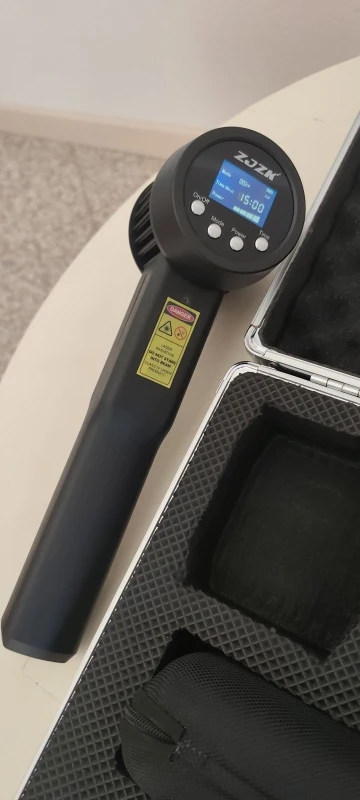
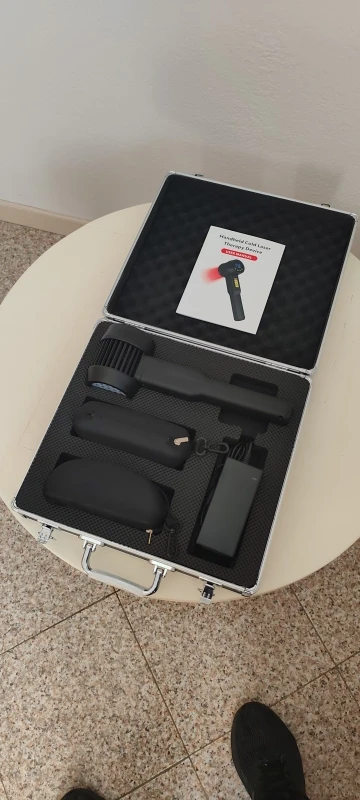
These findings laid the groundwork for modern RLT hair devices—from handheld combs to scalp caps—all designed to deliver targeted red light to the scalp in a convenient, at-home format.
RLT is a versatile treatment that works for multiple types of hair loss and hair concerns, including:
-
Androgenetic Alopecia: Both men (male pattern baldness, e.g., receding hairline, crown thinning) and women (female pattern hair loss, e.g., diffuse thinning on the top of the scalp).
-
Telogen Effluvium: Temporary hair loss caused by stress, pregnancy, illness, or nutrient deficiencies (RLT helps speed up follicle recovery).
-
Thinning Hair Due to Aging: As we age, hair follicles shrink—RLT helps reverse this miniaturization.
-
Post-Treatment Hair Loss: Gentle enough for those recovering from chemotherapy (once cleared by a doctor) or other treatments that damage hair follicles.
It's important to note that RLT works best for individuals in the early to moderate stages of hair loss. While it can strengthen existing hair and stimulate new growth, it may be less effective for advanced baldness where follicles have fully atrophied.
What makes red light therapy a game-changer for hair regrowth? Here are the key advantages that set it apart:
-
Non-Invasive & Pain-Free: No needles, surgery, or harsh chemicals—just gentle light. You can use RLT devices at home while watching TV or working, with no downtime.
-
No Side Effects: Unlike medications (e.g., finasteride, minoxidil) that can cause scalp irritation, dizziness, or hormonal disruptions, RLT has zero systemic risks. Mild redness (if any) fades quickly.
-
Long-Term Results: RLT improves hair health at the root, leading to sustainable growth. With consistent use, most users see thicker, fuller hair within 3–6 months.
-
Convenient & Cost-Effective: Once you invest in an at-home RLT device, there are no recurring costs (unlike monthly medication refills or expensive salon treatments).
-
Science-Backed: Decades of research—starting with the 1989 study—support its effectiveness, with modern clinical trials continuing to validate its results.
Using RLT for hair regrowth is simple, but consistency is key. Here’s how to get the best results:
-
Choose the Right Device: Look for FDA-cleared RLT devices designed for hair—such as laser combs, caps, or masks—with wavelengths between 630–670 nm (the sweet spot for follicle stimulation).
-
Stick to a Routine: Most devices recommend 10–15 minutes of use, 3–4 times per week. Consistency is more important than length—skipping sessions can delay results.
-
Be Patient: Hair regrowth takes time. Expect to see subtle improvements (e.g., less shedding, softer hair) within 1–2 months, and noticeable thickness by 3–6 months.
-
Pair with Healthy Habits: RLT works best when combined with a nutrient-rich diet (protein, iron, biotin), stress management, and gentle hair care (avoid tight hairstyles or harsh heat styling).
If you're tired of invasive treatments, frustrating side effects, or ineffective hair loss solutions, RLT is worth considering—especially if you’re in the early to moderate stages of thinning. It's safe for most people, including those with sensitive scalps or who can't tolerate medications.
As with any hair loss treatment, it's wise to consult a dermatologist first to rule out underlying conditions (e.g., thyroid issues, scalp infections) that may be causing hair loss. They can also help you determine if RLT is the best fit for your specific needs.
Red light therapy for hair growth isn’t a fad—it's a science-backed treatment that's been trusted for decades, thanks to foundational research like the 1989 study. By harnessing the power of gentle red light to stimulate follicles, improve scalp health, and extend hair growth cycles, RLT offers a safe, convenient, and effective way to restore thickness and confidence.
If you're ready to say goodbye to thinning hair and hello to fuller, healthier locks, red light therapy could be the solution you’ve been waiting for. Invest in a quality device, stick to your routine, and let science do the rest.